

 Tiếng Việt
Explore with Thomore
Does Perfume Expire? Shelf Life, Signs It’s Gone Off & How to Store It
Jan
Does perfume expire? It’s a common question for anyone who collects fragrances or rotates several at once. Perfume does have a finite shelf life, and its scent can change if it isn’t stored properly. Understanding how long it lasts, the warning signs, and how to store it will help you keep every bottle at its best over time.
Quick Summary
- Perfume DOES expire, but it fades gradually rather than “going off” suddenly like food — it’s typically good for about 3–5 years after opening; an unopened bottle lasts longer.
- The main culprit is oxidation. Oxygen entering the bottle, strong light and high heat alter the scent molecules, making the fragrance less fresh and quicker to fade.
- Signs it has turned: a sour/sharp or alcohol-like smell, noticeably weaker longevity, a change in colour, or cloudiness and sediment at the bottom of the bottle.
- Proper storage extends its life: keep the original box, close the cap after use, and store it somewhere cool at 16–24°C, away from direct sunlight and the bathroom.
Does perfume expire?
Does perfume expire? Yes — but unlike food, its shelf life doesn’t end abruptly; it declines gradually over time. How long a fragrance lasts depends on several factors: the aromatic oils it contains, how often you use it, how much air it is exposed to, and how the bottle is stored.
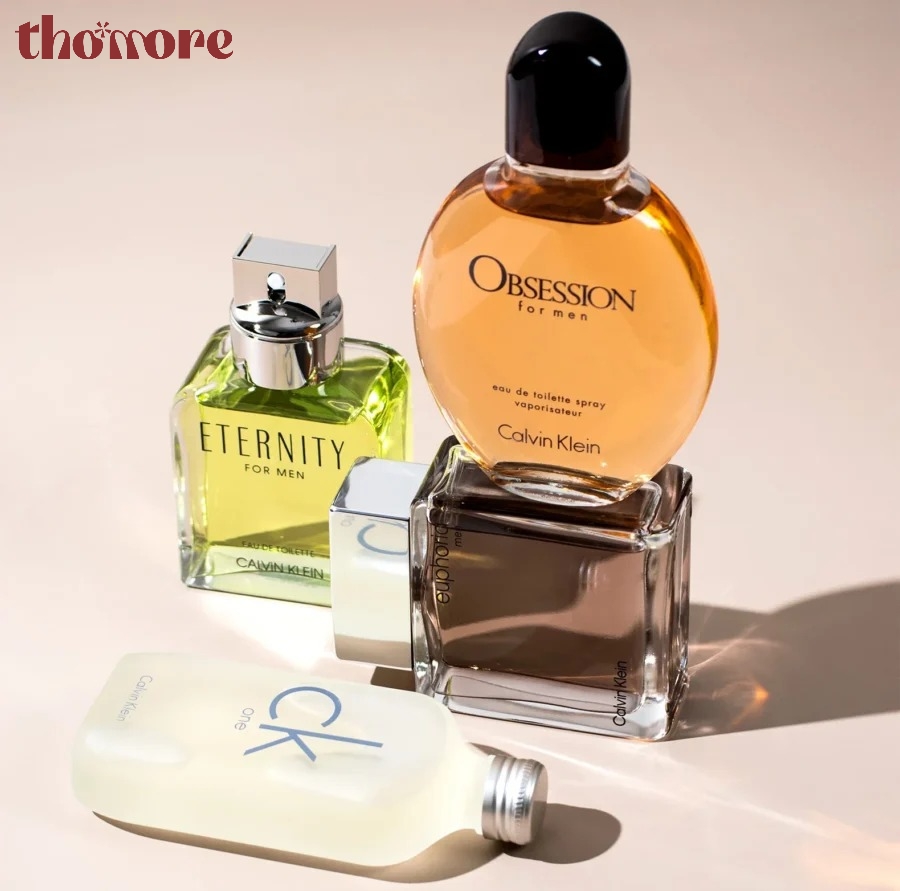
By nature, perfume contains aromatic oils and alcohol, so under normal conditions it rarely grows mould or bacteria. However, once oxygen gets into the bottle, the scent molecules can oxidise, changing the fragrance, making it less fresh and quicker to fade than when new. Strong light, high heat or poor storage can also make perfume turn earlier than the manufacturer’s recommended date.
How long does perfume last?
Generally, perfume stays good for about 3–5 years after opening, depending on its composition, oil concentration and storage. Unopened bottles can last longer because they haven’t been exposed to air, which slows the oxidation that alters the scent.
Many people wonder whether even high-end perfume expires — and it does. That said, quality fragrances made with careful production and ingredient control — like those curated at Thomore — tend to hold their scent more reliably when stored correctly. When perfume changes colour, smells off or fades quickly, that’s a sign its quality has dropped and it shouldn’t be used.
Signs your perfume has gone off
Over time, exposure to air, light and heat can lower a fragrance’s quality, which is why many people wonder whether their perfume has expired when the scent starts to change. Spotting these signs early helps you avoid using perfume that has deteriorated and keeps your experience at its best.
| Sign | What you notice | What it means |
|---|---|---|
| The scent has changed | Sharp, sour or an odd note; sometimes smells like alcohol or nail polish | The oils have oxidised |
| Longevity drops sharply | Fades very quickly and only lingers briefly, even after several sprays | The fragrance has deteriorated |
| The colour changes | Darkens, turns unusually pale, or loses its clarity | The ingredients inside have degraded |
| Cloudiness or sediment | Gritty particles, or a layer settling at the bottom of the bottle | The perfume is no longer stable |
| Past its recommended period | Batch code, PAO symbol or shelf-life information on the packaging says so | Scent quality is no longer guaranteed |
- The scent has changed
When perfume expires, it loses its original balance and can turn sharp, sour or develop an odd note. In some cases it smells like alcohol or nail polish because the oils have oxidised.
- Longevity drops sharply
A perfume in good condition usually lasts from a few hours to all day, depending on the product. Once it has deteriorated, the scent fades very quickly and only lingers briefly, even after several sprays.
- The colour of the liquid changes
Fresh perfume is usually clear and evenly coloured, with no cloudiness. If the liquid darkens, becomes unusually pale or loses its clarity, that signals the ingredients inside have degraded.
- The perfume turns cloudy or has sediment
If you see gritty particles or a layer settling at the bottom of the bottle, the perfume has likely broken down over time. This is a clear sign it is no longer stable.
- It is past the recommended period
Many brands print a batch code, a PAO symbol or shelf-life information on the packaging so you can check. If a bottle has passed its recommended period of use, its scent quality is usually no longer guaranteed.
Can you use expired perfume?
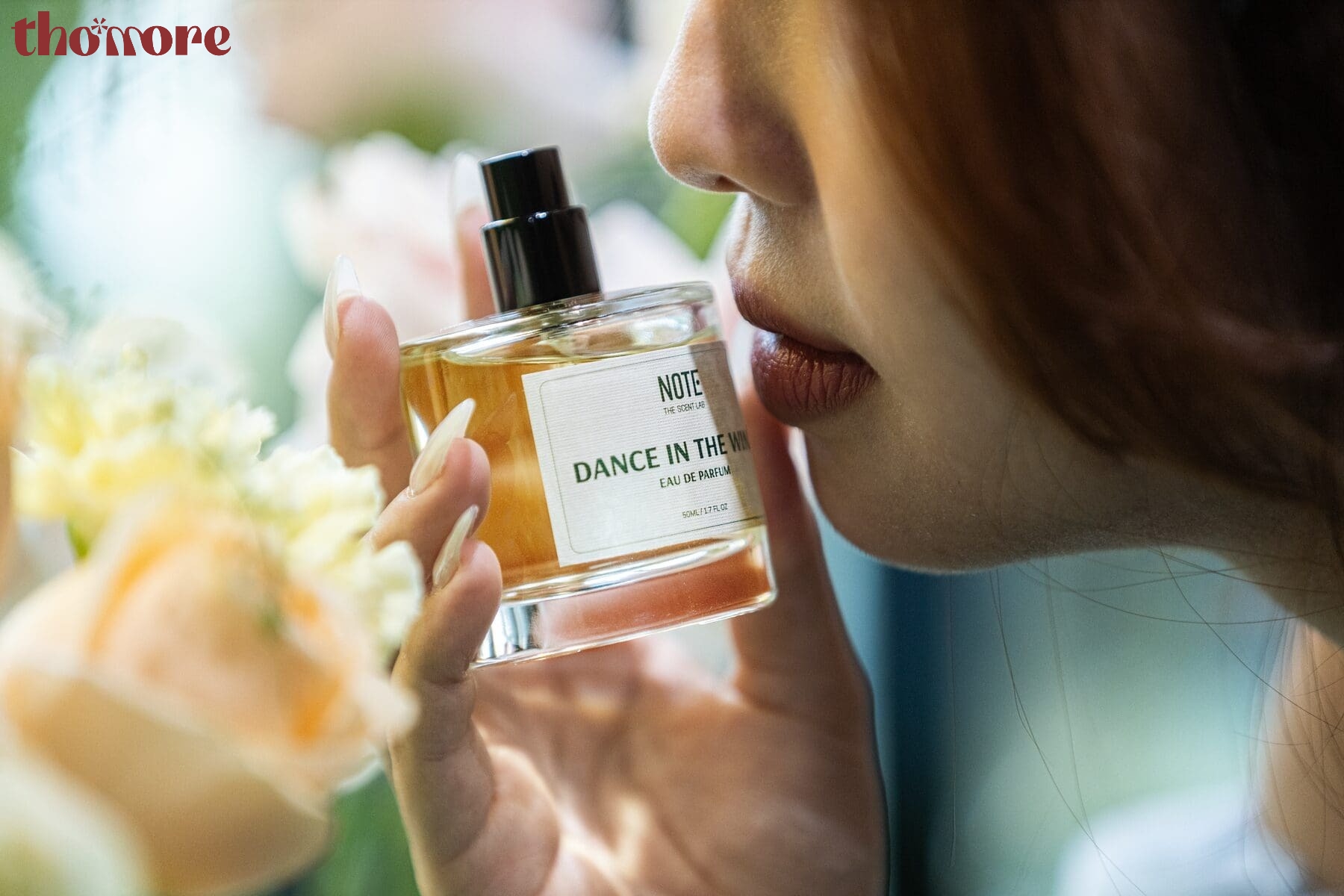
Once perfume is past its prime, the oils and solvents inside can break down over time, so its quality and safety are no longer guaranteed. That’s why many people ask whether using expired perfume is a problem — continuing to use it not only dulls the experience but can also pose risks to your skin and clothes. Here are the effects you may run into:
- The scent changes: the perfume no longer smells the way it should and may turn sour, alcoholic or simply unpleasant.
- Weak longevity: the scent noticeably fades faster and disappears quickly even after re-spraying.
- Skin irritation: degraded ingredients can cause itching or redness, especially on sensitive skin.
- Effects on clothing: expired perfume can yellow fabric or leave uneven stains.
>>> Explore more perfumes from Thomore
How to store perfume so it lasts longer
Now that you know perfume does have a shelf life, proper storage is what really keeps the scent stable and extends how long you can use it.
- Keep the perfume’s original box
The box not only cushions the bottle when you move it but also acts as an effective light shield. Direct light can break down the scent structure and make perfume turn faster than usual.
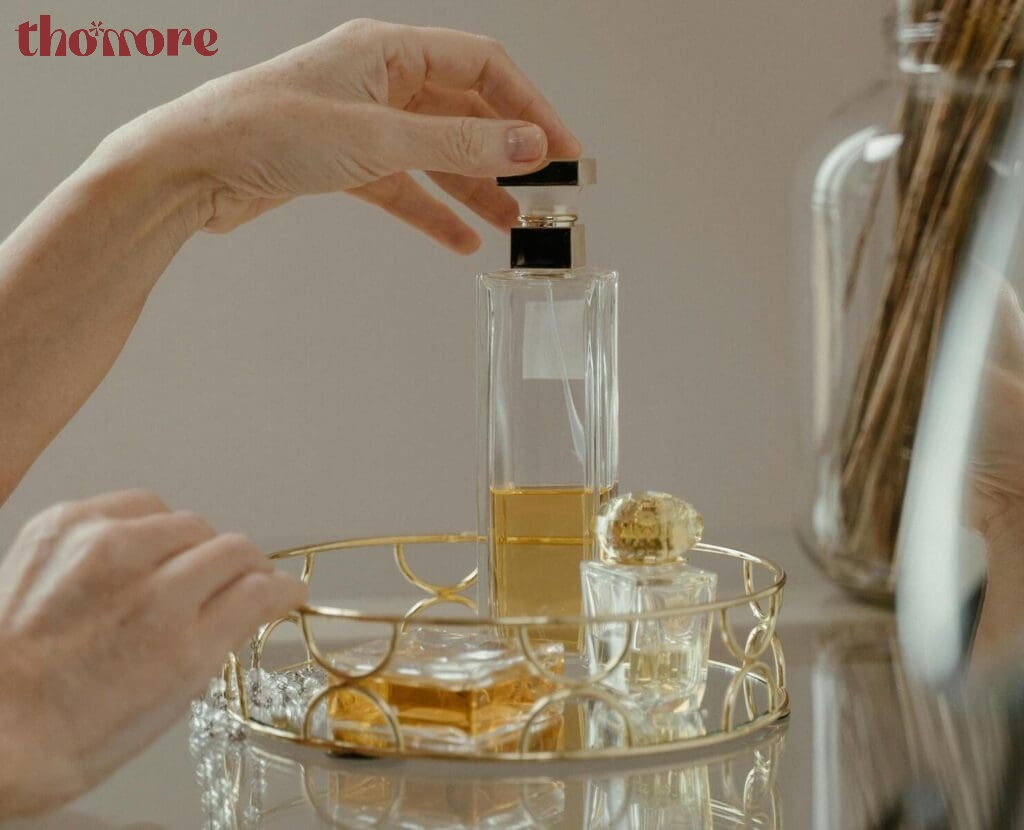
- Close the cap tightly after use
Air is perfume’s “silent enemy.” When the cap isn’t sealed tightly, oxygen gets inside and speeds up oxidation. Bottles that are more than half used are especially prone to changing scent if left unused for long.
- Choose a size that fits your needs
Rather than buying a large bottle you’ll use over a long time, opt for a moderate size. That way you enjoy the fragrance while it’s at its best and can also try more scents without waste.
- Keep perfume somewhere cool and dry, out of direct sun
The ideal place to store perfume is somewhere cool and out of strong light, such as a wardrobe or a dedicated fragrance cabinet. Displaying a bottle on a windowsill may look nice, but it makes the scent oxidise and lose its original character quickly.
- Keep it away from heat and humidity
Both heat and humidity can change perfume’s chemistry. The suitable storage temperature is around 16–24°C, which is why the bathroom — however convenient — is not an ideal place to keep perfume.
- Use it regularly until the bottle is empty
As a bottle empties, the amount of oxygen inside rises and makes the scent more prone to spoiling. If you own several perfumes, store the ones you rarely use in a cabinet and focus on finishing one bottle at a time rather than opening too many at once.
From all of the above, you should now have a clear answer to whether perfume expires. Although it doesn’t “expire” abruptly like food, perfume can still fade and deteriorate if used for too long or stored incorrectly. So keep an eye on how long you’ve had it and on its storage conditions, so every spray delivers the fullest scent experience.
What does the PAO symbol on the box mean?
Many perfume bottles print an open-jar symbol followed by a number like 12M, 24M or 36M. That’s the PAO (Period After Opening) symbol: the number tells you how many months the product stays good and safe to use from the moment you first open it. “24M” means it’s good for 24 months after opening.
Under the EU Cosmetics Regulation — (EC) 1223/2009, Article 19 — products with a minimum durability of more than 30 months show the PAO symbol instead of a specific expiry date, while products that last under 30 months must carry a “best used before” date. Because alcohol-based perfume is usually long-lasting, most bottles you’ll see carry a PAO symbol rather than an expiry date.
How to use it: if a bottle has been open longer than the number of months on its PAO, don’t rush to throw it out — check it against the signs above (sour smell, colour change, cloudiness). The PAO is the manufacturer’s recommended guide; how you store the bottle is what really decides how long your perfume actually keeps.
Frequently Asked Questions (FAQ)
1. Does unopened perfume go bad if kept for a long time?
Yes, but far more slowly. While sealed, perfume barely contacts oxygen, which limits oxidation, so an unopened bottle keeps its scent longer than one you’ve already started. Storage conditions (cool, dark, sealed) are still the deciding factor.
2. Is it bad to use expired perfume?
It’s not recommended. Once the ingredients have degraded, the scent can turn sour or off and lose much of its longevity, sensitive skin may itch or break out, and deteriorated perfume can also yellow or stain fabric.
3. What does “24M” on a perfume box mean?
It’s the PAO (Period After Opening) symbol. “24M” means the product stays good for about 24 months after you first open it, according to the manufacturer’s recommendation.
4. Where should I store perfume so it lasts as long as possible?
Somewhere cool and dry, around 16–24°C, away from direct sunlight and humidity. Keep the original box to block light, close the cap after every use, and avoid the bathroom even though it’s convenient.
 Tiếp tục với Zalo