

 Tiếng Việt
Explore with Thomore
How to Check Authentic Perfume: What Actually Works and What Doesn’t
Oct
Investing in fine fragrance should be a gratifying experience, yet the global proliferation of counterfeit perfumes leaves many shoppers uncertain whether their bottle is genuine. In this guide from Thơmore, we explain which authentication checks actually work, debunk common barcode scanning myths, and outline a step-by-step verification process ranked by real-world reliability.
Quick Summary
- No single one-minute smartphone test proves authenticity: each verification cue tells part of the story, and this guide ranks them from basic screening to definitive evidence.
- Barcodes only identify product lines, not individual bottles: EAN-13 barcodes are printed identically across thousands of boxes and easily replicated; scanning a correct product name is not proof of a genuine bottle.
- Matching batch codes across bottle and box provide stronger evidence: etched or stamped production codes on the flacon base and carton should match perfectly and decode to a plausible manufacture date.
- Physical craftsmanship reveals counterfeit shortcuts: examine glass weight and clarity, pump nozzle alignment, cap heft, and unblemished cellophane folds.
- Official documentation in Vietnam eliminates guesswork: legally imported cosmetics carry a product notification acceptance number under Circular 06/2011/TT-BYT, a Vietnamese supplementary label, and a verifiable commercial sales invoice.
Why verifying authentic perfume matters
Understanding how to authenticate fine fragrance protects your personal health, your financial investment, and the artistic integrity of perfumery. Because fragrance liquids are applied directly to warm pulse points, counterfeit concoctions present serious health hazards beyond mere disappointment:
- Guaranteed olfactory quality and balanced performance: authentic fragrances rely on high-grade aromachemicals and natural absolutes, evolving smoothly through distinct head, heart and base phases over hours. Counterfeits commonly use diluted industrial alcohol and harsh synthetic solvents that smell sharp and dissipate within minutes.
- Protecting respiratory and skin health: unregulated illicit operations frequently incorporate unpurified methanol, heavy metals, banned fixatives or allergens that trigger contact dermatitis, severe headaches and respiratory irritation.
- Ensuring fair consumer value: authentic luxury perfumery reflects years of master perfumer formulation, rigorous safety testing, and premium flacon manufacturing. Counterfeits demand high prices for hazardous mixtures costing pennies to bottle.
- Eliminating counterfeit fraud: modern counterfeiters reproduce packaging cartons with alarming fidelity. Looking beyond superficial box graphics is essential to avoid being deceived.
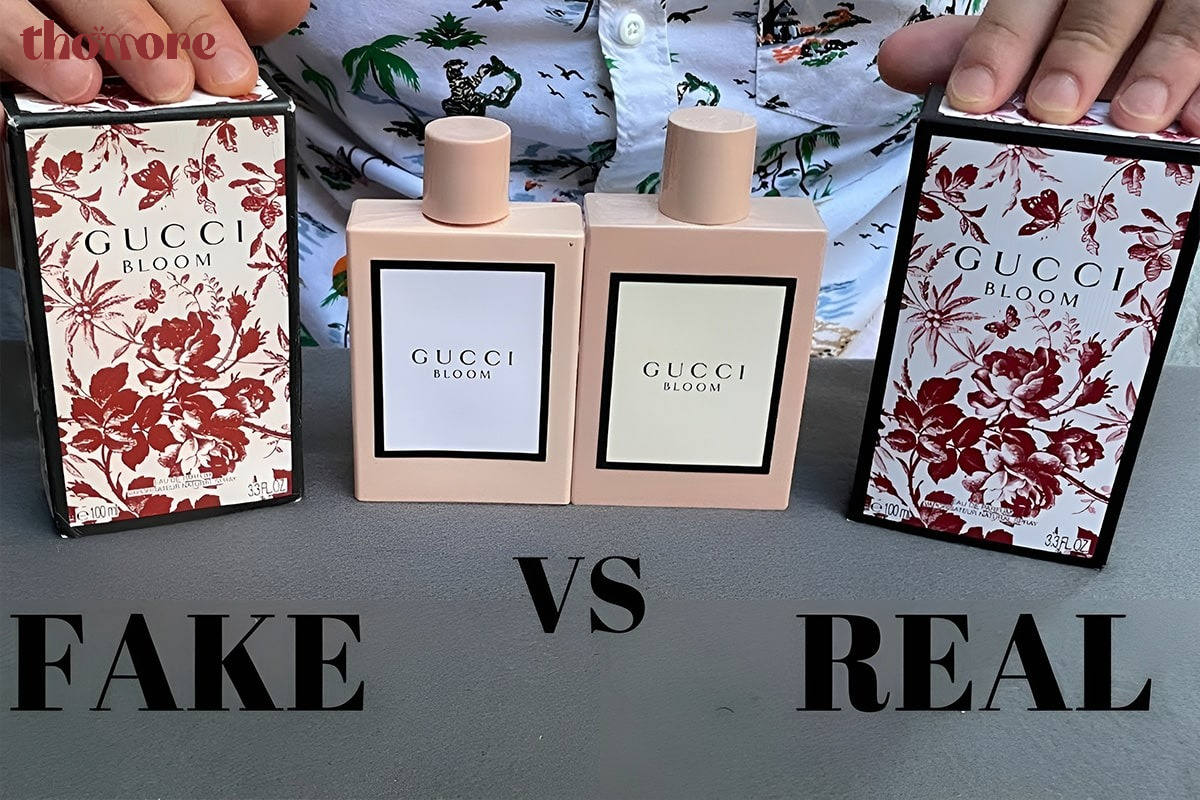
Common methods to check perfume authenticity — ranked by reliability
Navigating fragrance authentication requires separating marketing misconceptions from technical realities. Below are the primary verification methods, structured from preliminary screening to definitive proof.
1. Inspect packaging, cellophane and bottle craftsmanship
Physical construction is often where illicit manufacturers cut corners to preserve profit margins:
- Cellophane overwrapping: luxury brands use high-clarity cellophane folded tightly and heat-sealed seamlessly around the carton. Excess glue, loose wrinkles, or uneven folds strongly indicate secondary repackaging or counterfeit manufacture.
- Carton typography and embossed emblems: brand lettering should be crisp, properly spaced and free from typographical errors. Luxury houses employ high-grammage textured cardstock with interior shock-absorbing cardboard cradles that hold the flacon securely in place.
- Glass flacon quality: authentic perfume bottles are moulded from dense, high-transparency glass free from bubbles, rough seams, or cloudiness. The base should be even and sit completely flat without wobbling.
- Cap weight and atomiser mechanism: brand caps are weighted, engineered with precision tolerances, and click firmly into place. The spray nozzle should depress smoothly, dispersing an ultra-fine, uniform mist without sputtering or leaking around the collar. The internal plastic dip tube should be slender, clear, and curve gently into the base corner.

2. Understand barcodes (EAN-13) and QR codes: what they tell you and what they don’t
A standard 13-digit EAN barcode simply identifies a catalogue product line and volume; every authentic 100 ml bottle of a given fragrance carries the exact same barcode. Because barcodes are printed publicly on exterior packaging, counterfeiters duplicate them with effortless precision.
When you scan a barcode or QR code using an app such as QRbot or Barcode Scanner, the app merely checks whether the number matches an entry in a global database. A valid scan confirms that the barcode number exists — it does not prove the specific bottle in your hands is genuine. Furthermore, the first three digits of a GS1 barcode represent the regional GS1 member organisation where the company registered, not necessarily the physical country of manufacture. Use barcode scanning strictly as an initial sanity check, not definitive proof.
3. Decipher batch codes on bottle and box
A far more reliable technical indicator is the batch code (typically a 3 to 6-character alphanumeric sequence such as 38T600 or 22X31Z). Manufacturers stamp or laser-etch this code directly onto the exterior carton base and the underside of the glass flacon during production:
- Check for code correspondence: the batch code printed on the bottom of the carton must match the code etched on the bottle flacon base exactly. Mismatches strongly indicate that a used authentic box was paired with an illicit bottle.
- Verify production date logic: batch codes can be checked against historical manufacture databases to confirm production year and month. If a batch code decodes to a manufacture date from seven years ago for a fragrance released only last year, the packaging is counterfeit.
4. Evaluate scent evolution, alcohol balance and longevity
The olfactory profile remains the ultimate test of formulation integrity:
- Alcohol evaporation: an authentic fragrance presents a momentary alcohol carrier that dissipates within 15–30 seconds, allowing delicate top notes to blossom. Counterfeits produce an overpowering, persistent rubbing-alcohol stench that masks cheap chemical substitutes.
- Pyramid progression: genuine perfumes transition through distinct layers — fresh top notes give way to a floral or spicy heart after 20 minutes, gradually drying down into warm woody, musky, or amber base notes over 6–12 hours. For deeper context on how note layers operate, read our overview of real versus authentic perfume.
- Substantivity and skin feel: authentic perfume oils feel clean on the skin and leave no sticky residue or unnatural oily slick. If you decant your collection for travel, follow safe practices outlined in our guide to how to decant perfume at home.

5. Verify official documentation and retailer accountability
In regulated retail environments such as Vietnam, paperwork provides the most conclusive protection against counterfeit trade:
- Cosmetic product notification number: under Circular 06/2011/TT-BYT, all cosmetic products distributed legally in Vietnam must possess a formal Product Notification Acceptance Number issued by the Drug Administration of Vietnam or regional health authorities. This number remains valid for five years from issuance.
- Vietnamese supplementary label: genuine imported cosmetics must affix a legible supplementary label stating the product name, function, complete ingredient list, usage instructions, manufacturer, official importing company details, batch code, and shelf life.
- Commercial VAT sales invoice: authorized distributors issue legitimate value-added tax invoices linking the sale directly to registered business entities. Retailers unwilling or unable to provide VAT invoices operate outside authorized supply chains.
Comparison: Authentic vs Counterfeit Indicators
| Evaluation criterion | Authentic characteristics | Suspicious red flags |
|---|---|---|
| Cellophane wrapping (seal) | Taut, neatly folded edges, clinging cleanly to box | Loose, crinkled, excessive glue, easily peeled |
| Typography and branding | Crisp, sharp lettering, correct spelling, embossed emblems | Blurry, ink bleeding, misspelled names, poorly aligned logos |
| Flacon and cap construction | Snug weighted cap, thick uniform glass, heavy hand feel | Loose cap, cloudy glass, visible air bubbles, rough mould seams |
| Liquid clarity | Clear or naturally tinted, free from cloudiness or flakes | Unnaturally dark, murky, floating precipitate or debris |
| Batch code (lot number) | Laser-etched or stamped on bottle and box, matching exactly | Missing, smudged, mismatched between carton and bottle |
| Barcode (EAN-13) | Scans to correct product line — confirms barcode exists | Fails to scan or shows wrong item; scanning correctly is not yet proof |
| Documentation | Product notification number, Vietnamese supplementary label, VAT invoice | Vendor refuses invoice, cannot produce notification details |
| Retail pricing | Consistent with authorized international distribution rates | Drastically cheap, “90% off warehouse clearances”, bulk bundles |
| Olfactory evolution | Clear head, heart, and base notes unfolding over hours | Harsh ethanol blast, flat or synthetic drydown, fades in minutes |
Trusted online batch-checking tools and their limitations
Several established online databases decode cosmetic batch codes, calculating approximate manufacturing dates and batch age based on brand algorithms:
- CheckFresh (checkfresh.com): one of the most comprehensive platforms covering designer and niche houses. Select the brand, enter the alphanumeric batch code from the bottle base, and view the calculated production date.
- CheckCosmetic (checkcosmetic.net): a dependable alternative database supporting extensive fragrance and skincare marques.
- Cosmetic Calculator: useful for quick lookups across common European perfume houses.
Critical limitation to remember: batch-checking websites decode production algorithms — they do not verify whether your physical bottle is genuine. Sophisticated counterfeiters frequently copy real batch codes from authentic display boxes in department stores and print them onto thousands of counterfeit bottles. Batch verification is a powerful consistency check when combined with glass quality and paperwork, but should never stand alone.
Common warning signs of counterfeit perfume
Be vigilant against these recurrent indicators of counterfeit stock:
- Suspiciously low pricing: authentic prestige perfumes incur substantial development, material, and import duties. Claims of “tester overstock”, “duty-free confiscated clearances”, or “70% flash sales” almost invariably mask counterfeit stock.
- Faulty atomiser collar: luxury sprayers are crimped with industrial precision. Counterfeit sprayers often wobble, leak around the neck, or use cheap plastic tubing that twists awkwardly inside the bottle.
- Skin irritation and stinging: genuine formulations adhere to strict IFRA safety margins. Any stinging sensation, rash, or redness after application warrants immediate washing and product discontinuation.
- Mismatched batch typography: the font style, stamp depth, and character spacing of the batch code on the box should match the markings on the bottle base.
Practical tips for buying authentic perfume safely
Follow these practical guidelines to ensure every fragrance acquisition is legitimate:
- Buy from authorized retail partners and reputable flagship stores: prioritize established department stores, official brand boutiques, and certified e-commerce retailers with verifiable business addresses.
- Always request a commercial sales invoice: legitimate corporate retailers provide verifiable invoices specifying tax identification numbers and product details.
- Examine the full presentation before unsealing: inspect the cellophane seal, alignment of supplementary labels, and batch codes on the carton base prior to opening.
- Test against known authentic benchmarks: if you are replenishing a familiar favourite, compare the cap weight, glass thickness, and nozzle action against your previous empty bottle.
- Explore authentic niche houses directly: when seeking original storytelling and transparent craftsmanship, discover the Thơmore fragrance boutique — artisanal Vietnamese perfumes crafted with literary heritage and fully certified distribution.
Frequently Asked Questions
1. Is there a way to check perfume authenticity using a smartphone in one minute?
No single smartphone action can conclusively authenticate perfume. Scanning a barcode with your phone only confirms that the number exists in a catalogue database — counterfeit bottles replicate legitimate barcodes effortlessly. More dependable checks include confirming that batch codes on the box and bottle match, checking the product notification acceptance number, and verifying authorized retailer invoices.
2. Does scanning a barcode and seeing the correct brand name prove the perfume is real?
Not necessarily. Barcodes identify the broad product line rather than individual bottles, and because they are printed openly on outer packaging, counterfeiters duplicate them easily. A successful scan indicates the barcode sequence is valid; it provides zero guarantee that the liquid or flacon is authentic.
3. What is a cosmetic product notification acceptance number and how can I verify it?
It is an official regulatory registration number granted by the Drug Administration of Vietnam under Circular 06/2011/TT-BYT before any cosmetic product can circulate legally in the country, valid for five years from approval. Authorized retailers and importers can provide this registration number upon customer request.
4. Does perfume without a Vietnamese supplementary label mean it is counterfeit?
Not automatically; personal hand-carried goods (hàng xách tay) purchased overseas will lack local supplementary labels. However, purchasing unlabelled stock means no licensed entity in Vietnam bears legal liability for consumer safety or product defects, shifting all financial and dermatological risk onto the buyer.
5. Does verifying a batch code on CheckFresh or CheckCosmetic confirm authenticity?
No. Batch-checking websites decode production algorithms to display the manufacture date and batch age; they do not verify whether a physical bottle is authentic. Counterfeiters often copy valid batch codes from real bottles onto fake boxes. The true value lies in ensuring the code on the bottle matches the box exactly and decodes to a logical production timeframe.
Related Articles
- Real vs Authentic Perfume: Understanding the Terminology and Avoiding Fakes
- How to Decant Perfume at Home: Step-by-Step Guide for Travel and Storage
 Tiếp tục với Zalo